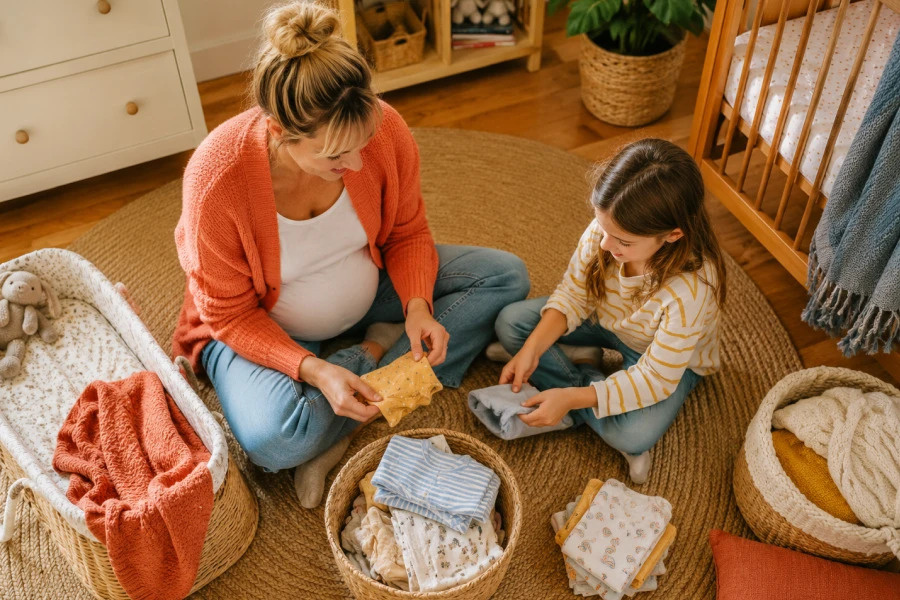
Helping an older child adjust to new baby can stir many emotions. Excitement, pride, worry, and jealousy may arrive together. Parents often focus on practical preparation. The emotional preparation matters just as much. An older child needs reassurance that love has not moved away. They also need time to understand new routines. Change feels easier when parents name it gently. Small rituals can protect connection during busy days. The transition does not need to be perfect. It needs patience, warmth, and steady attention.
A new baby changes the family atmosphere quickly. Visitors arrive, schedules shift, and adults seem tired. Older children may feel proud one moment. They may feel pushed aside the next. Reassurance must be repeated often. One conversation will not carry the whole transition. Parents can explain that mixed feelings are normal. Resources for new baby transition can help families prepare thoughtfully. Children relax when feelings have names. Named feelings become easier to handle.
Preparation can begin long before the baby arrives. Parents can discuss what babies do and cannot do. Babies cry, sleep, eat, and need help. This honesty prevents unrealistic expectations. Older children may imagine an instant playmate. Gentle explanations help them understand the early months. Let them ask repeated questions. Repetition shows they are processing change. Include them in small choices when possible. Familiarity makes the unknown feel less overwhelming.
Individual attention remains powerful during transition. It does not need to last long. Ten focused minutes can matter deeply. Put the phone away when possible. Let the older child choose the activity. Reading, drawing, or walking can all work. The message is simple and clear. You still matter here. Consistent attention reduces competition for care. It helps the child feel emotionally secure.
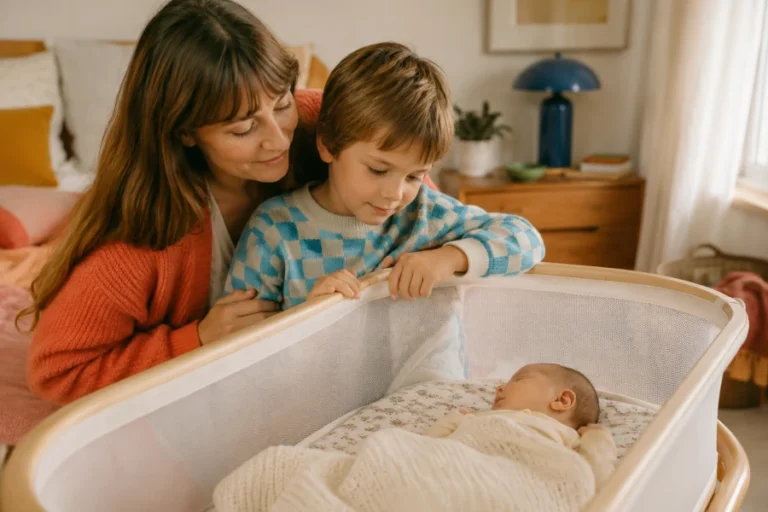
Helpful roles can build pride. They should never feel like pressure. A child may bring a diaper or choose pajamas. Another may sing during a fussy moment. Parents can thank the effort, not demand participation. This keeps helping joyful. Ideas for big sibling preparation can offer gentle role options. The child learns they have a place. That place is important but not burdensome. Pride grows best when choice remains present.
Regression can surprise tired parents. An older child may want more help dressing. They may use baby talk again. Sleep struggles may return for a while. These behaviors often signal uncertainty. They are not proof of bad behavior. Calm responses work better than shame. Parents can offer comfort while keeping limits. The child needs security before independence returns. Patience helps the family move through this stage.
Rituals help the family feel connected. A morning cuddle can anchor the day. A bedtime phrase can remain unchanged. A special snack with one parent can help. These patterns remind children that belonging continues. Babies may change routines, but love stays steady. Support through gentle parenting support can strengthen that message. The older child begins trusting the new rhythm. Security grows through repeated moments. Family life expands without erasing what came before.



Leave a comment