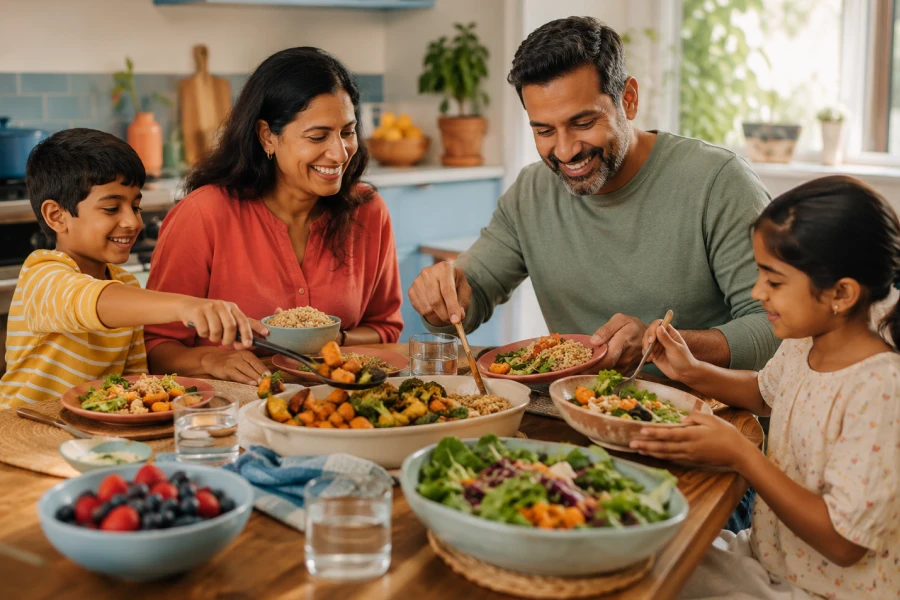
Busy parents want healthy meals kids will love without turning dinner into negotiation. Family food often feels harder than it should. Time is limited, preferences change, and patience runs thin. Still, good meals do not need perfection. They need flavor, familiarity, and realistic planning. Kids respond better when healthy choices feel inviting. Parents also need meals that fit real schedules. A flexible approach can reduce stress quickly. Dinner becomes less about control and more about connection. That shift helps families enjoy food together again.
Children often trust flavors they already recognize. A healthier meal can still feel familiar. Small changes work better than dramatic replacements. Add vegetables to favorite dishes gradually. Use seasonings your family already enjoys. Keep textures simple when introducing new foods. Parents can build confidence through kid-approved meals that balance nutrition and comfort. Familiarity lowers resistance at the table. It also helps kids feel included. Over time, new ingredients become less intimidating.
Weeknights need meals that move quickly. Parents cannot cook like every evening is Sunday. Smart shortcuts make healthy eating more sustainable. Precut vegetables can save valuable minutes. Rotisserie chicken can become several easy dinners. Frozen produce works well in soups and stir-fries. The goal is nourishment without unnecessary pressure. Planning two easy backups can prevent takeout fatigue. Families eat better when options feel ready. A practical system protects both health and sanity.
Kids often eat more willingly when they help. The task should match their age and patience. Younger children can rinse produce or stir batter. Older kids can measure, chop safely, or season food. Parents do not need a perfect kitchen moment. They need participation that feels enjoyable. Shared preparation turns food into experience. It also builds pride before the first bite. Small jobs create ownership. That ownership can soften picky reactions later.
Meal planning works best when it stays flexible. A rigid plan can collapse after one busy day. Choose several reliable meals for each week. Repeat ingredients in different ways. Rice, chicken, vegetables, and tortillas can create many options. This approach reduces waste and decision fatigue. Families looking for family-friendly recipes can use variety without overcomplicating dinner. Keep favorite sauces available. Let kids choose one meal when possible. Planning becomes cooperation instead of another household burden.
Healthy eating should not sound like punishment. Children notice when adults frame food with anxiety. Positive language helps meals feel inviting. Talk about energy, strength, color, and taste. Avoid labeling foods as entirely good or bad. Balance teaches better habits than fear. Parents can serve dessert without making vegetables a threat. This reduces power struggles. Kids learn that food has many roles. Meals can nourish bodies and create joy.
Food becomes memorable when families create rituals. Taco night, soup Sunday, or breakfast-for-dinner can anchor routines. These traditions do not need to be elaborate. They simply need consistency and warmth. Kids feel secure when meals carry predictable comfort. Parents also benefit from fewer decisions. Helpful ideas for healthy dinner ideas can refresh familiar traditions. A new side dish can keep things interesting. Shared meals become easier to protect. That is how healthy eating becomes part of family culture.



Leave a comment